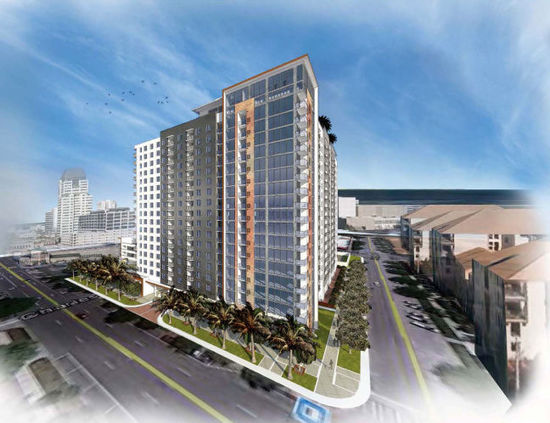
Condo Conversions 2.0 for the New Millenia
The resurgence of many downtowns, coupled with the desire for both Millenials and Empty-Nesters to relocate to urban cores, has reinvigorated the demand for well positioned condominiums.
Source: www.tampabay.com
Condo conversions are not not new to real estate, nor are they exclusive to Florida, but more communities have been converted to condominiums in Florida than any other state.
In Tampa Bay for example, as much as 25% of the existing apartment inventory was targeted for conversion in the early to mid 2000’s. The first wave of conversions were typically well positioned Class A properties and by and large they completely sold out. However, as these trophy properties were gobbled up, the condo converters in the next wave had to look at slightly older Class A properties and Class B or even Class C properties which were not as well constructed or well located. In short, many of the communities converted to condos, should have stayed as rental apartments.
That certainly did not stop the frenzy of investors wanting to get in on the action, some of which who would camp out for days just to be able to purchase units. In the end, many of these late cycle properties only partially converted and eventually failed, leaving dozens of fractured and broken communities scattered throughout the region.
One of the main reasons for the demise of the real estate market and the failure of so many converted communities had to do with the availability of cheap and easy money. Banks were lending to unqualified investors and the no-doc or “liar loans” allowed individuals to acquire virtually as many units as they could find because there was always a bank there to loan.
The next wave of conversions is bound to look markedly different. The resurgence of many downtowns, coupled with the desire for both Millenials and Empty-Nesters to relocate to urban cores, has reinvigorated the demand for well positioned condominiums. The construction risk is mitigated for the would be converter as the product is already built. Most of the apartments constructed over the last few years are far different from their predecessors. Granite counter tops, stainless steel appliances, 9′ or even 10′ ceiling heights and incredible amenity packages of today’s apartments rival those of condominium projects built just 10 years ago.
Beyond rising prices for existing and new construction condominiums, financing is the lynch pin needed make conversions a viable option. We are starting to see down payment requirements drop and lenders (albeit more cautionary) making loans again to true end users which should lead to more buying opportunities. As rents continue to rise there were will be a tipping point in the market where it will be cheaper for these new urban dwellers to purchase as opposed to rent and that time may now be upon us.
That said, there are some issues that potential converters will still have to overcome. Many of the likely targeted apartments for conversion contain 300 or more units. This is a very large amount of inventory for most markets to absorb right now so they should be prepared for a multi-year sales cycle. Also, unit sizes in urban locations are significantly smaller than previously built to allow for higher per dollar square foot rents. For properties with a large percentage of smaller units, it will be interesting to see how the market desires them to purchase. It’s one thing to live in a smaller unit with higher rents, but it could be a completely different desire for someone to want to purchase these same units. Successor developer liability is also a consideration for would be converters…