by admin | Oct 27, 2015 | Market Data

Vacancy rates are rising for to the most expensive apartment communities in urban neighborhoods, research shows.
Source: nreionline.com
The pressure is due to the fact that developers are building so many new luxury apartments in urban areas, especially in downtown districts. Vacancy rates are lower and rent growth is steady for apartment communities that don’t have to compete so hard to attract renters—including class-A apartment communities in suburban areas, where there isn’t so much new construction, and class-B apartment communities everywhere.
by admin | Oct 27, 2015 | Market Data
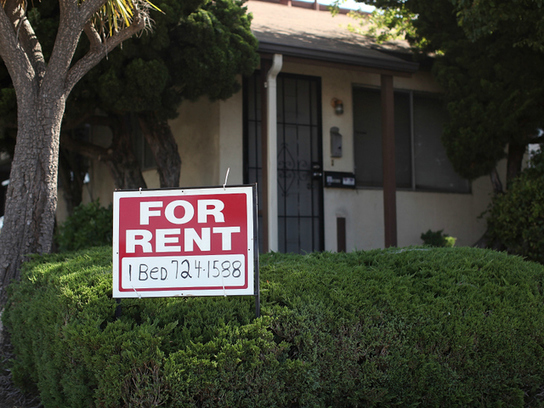
Bay area rental experts say it is a landlord’s market as demand for rental properties increases and supply remains low.
Source: www.abcactionnews.com
The Tampa Bay market is proving to be tough for renters to find suitable options without having to sacrifice on location or price. Renters are having to accept a less than ideal option in order to afford the increasing rents landlords are charging.
by admin | Oct 27, 2015 | Market Data
Freddie Mac and Fannie Mae keep their $30B cap.
Source: www.bisnow.com
Both Fannie Mae and Freddie Mac will be maintaining a $30B multifamily loan cap in 2016, having boosted their multifamily financing to $66.4B this year. Commercial lenders financing apartments had been hoping the cap would increase, but the FHFA instead exempted other types of multifamily mortgages from counting towards the cap to accommodate those affordable ones instead. Other exemptions will include properties in higher-cost areas, loans for senior housing and small multifamily properties that target low-income tenants. In2016, rural area apartments and loans for energy-efficiency improvements will become exceptions. Up to $12B in exempted “relief” is expected at the end this year
by admin | Oct 27, 2015 | Market Data

Florida is the No. 10 most tax-friendly state for retirees, according to Washington, D.C.-based Kiplinger’s Retiree Tax Map.
Source: www.bizjournals.com
Florida is the No. 10 most tax-friendly state for retirees, according to Washington, D.C.-based Kiplinger.
by admin | Oct 27, 2015 | Market Data
Source: sarasotaheraldtribune.fl.newsmemory.com
Florida remains the most popular state for international buyers of U.S. residential real estate, but rising home prices and less favorable exchange rates reduced the number of sales to foreigners in the Sunshine State over the past year.
Foreigners purchased 44,000 existing residential properties in Florida during the 12-month period ended in June, down by 8,300, or 16 percent, from the previous year, according to a new study by the National Association of Realtors which was off 33 percent from the peak of 66,100 international sales recorded in the July 2009-June 2010 year.
The dollar volume of international sales totaled $23.7 billion, 24 percent of the state’s total residential sales and higher than the prior year’s 19 percent.